
Having got into printing presses through McLuhan and the Gutenberg Galaxy,
 I got interested in paper-making (which seems to have come out of the same Southern France where intelligence seems to have had its supporters – the Cathars, the Troubadours, the Spanish Cabbalists, etc.) Muslim Spain and the Languedoc had universities and other high IQ intentions and practices until the Inquisition threw us ALL back in the dungeon of ignorance. Huguenot papermakers (later Protestants, same area of Europe) had to run away from similar persecution, and took their skills with them. Whether the Vose part of my family come from the de Vaux papermakers I have no idea (unproven romantic connection). Harold Bayley has a whole theory linking the watermarks in paper to heretics and subversives.
So I have two areas of interest. Craft Guilds, and the subversive nature of printing.
Guilds of settled communities tend to specialise and control local business (capitalism, shop-keepers, closed shop unions, etc), but Guilds of itinerant workers needed to recognise each other and confirm relevant qualifications wherever they went. Musicians and actors audition each other, of course. The commitment to a bogus stone mason (dodgy builder), however, could cost you a lot of money and waste a lot of time, so the codewords (jargon) and ability with tools and even secret handshakes, etc became quite important.
 As to paper makers and printing – the people involved in such work seem to have often felt like a threat to the Church and the State. For a start, they could read and write (always dangerous). Secondly, printing meant they could mass-produce pamphlets, newsletters and other scurrilous items for a newly literate public. So the powers-that-be have often controlled printing presses as tightly as they could. Many secret ones continued to function, however. And this still continues to this day (think of Samizdat publications in the USSR, while strict censorship still got enforced by people like the KGB.)
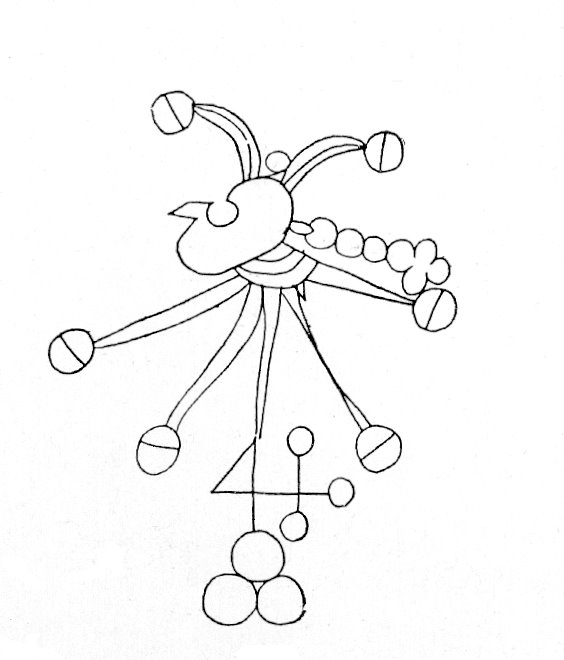 I feel particularly drawn to Harold Bayley - he may think Bacon wrote Shakespeare, and he may have a point, but his work on watermarks and their secret significance certainly intrigues me. Look at this very modern looking but enigmatic fool's cap watermark, for instance - yeh Cathars, troubadours, jesters, sufis, you got it. Oh and foolscap paper, too, of course...
Any ideas and relevant stuff - to help me with an article for either the Blog or the Winter Solstice MQ - gratefully received.


